
Protect Yourself
Post-Purchase
You Just Bought Vacant Land: Here's What to Do in the First 30 Days
You just closed on a piece of vacant land. Now what? The first 30 days after buying are more important than most new landowners realize. This guide walks you through the exact steps to take, in order, from verifying your deed is recorded to setting up property taxes, posting signs, and protecting your investment from day one.

You Just Bought Vacant Land: Here's What to Do in the First 30 Days
You did it. You bought your piece of land.
The closing is done, the paperwork is signed, and the property is yours. That is a huge deal, and you should be proud.
But here is the truth: the first 30 days after buying vacant land are some of the most important. A few simple steps right now will protect your investment, save you money, and prevent headaches down the road.
This guide walks you through exactly what to do, in the order you should do it.
Step 1: Verify Your Deed Was Recorded with the County (Do This First)
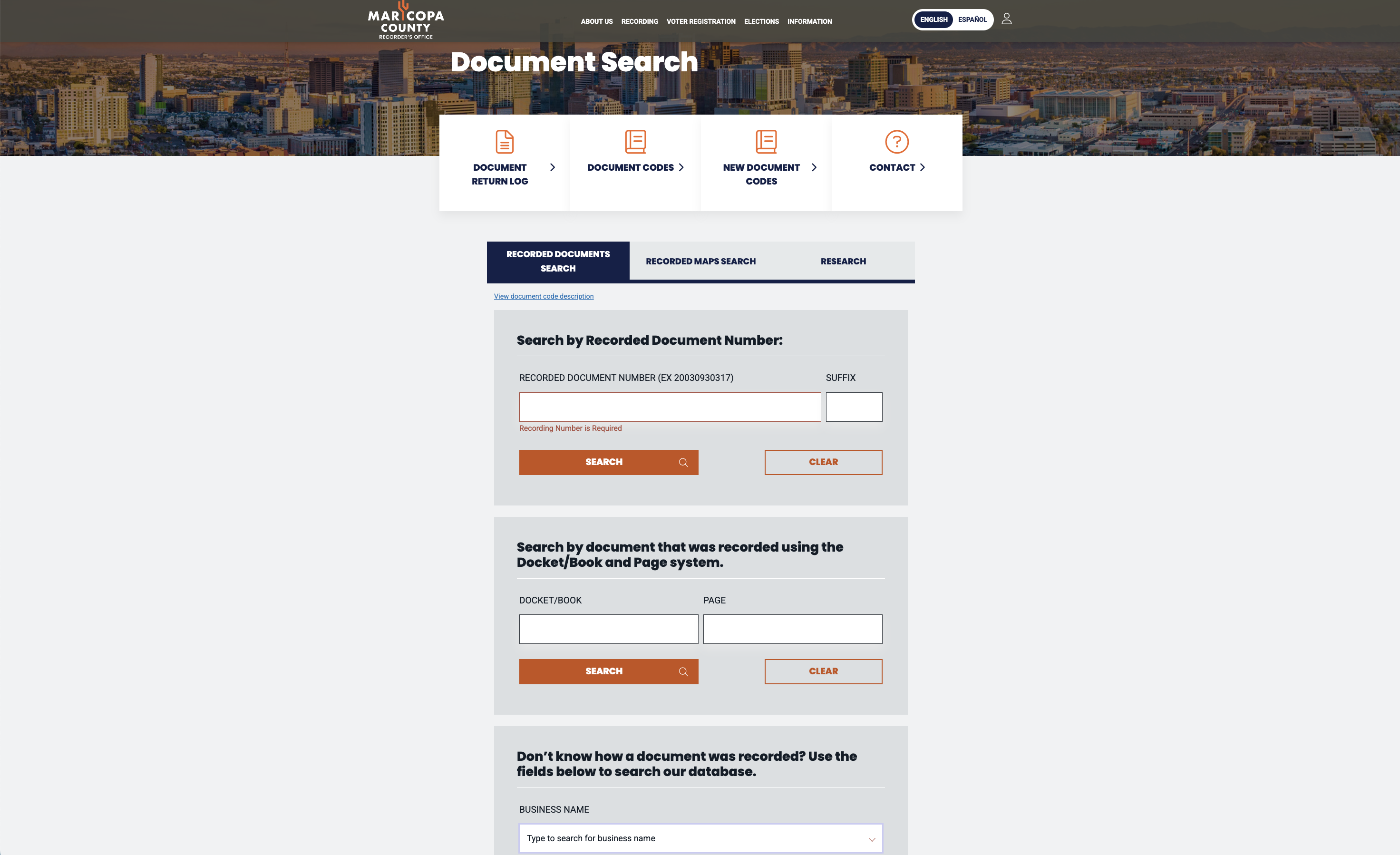
The first thing you need to do after closing is confirm your deed was recorded.
Recording the deed puts your ownership on the public record. Until that happens, there is no official legal proof you own the property.
At closing, your title company or attorney typically handles this. But you should verify it yourself.
Here is how:
- Call or visit your county's Recorder of Deeds office (also called the Register of Deeds or County Clerk, depending on your state).
- Give them your name and the property's parcel number.
- Ask them to confirm the deed is recorded and get the recording number.
Most counties now have online deed lookup tools. Search for "[your county] deed records" to find yours.
If your deed is not recorded yet, follow up with your title company right away. This is not something to let slide.
At Compass Land USA, we handle the recording process for every transaction. Still, we always recommend buyers confirm it for themselves. Peace of mind is worth a five-minute phone call.
Step 2: Set Up Property Tax Payments
Property taxes do not take a break just because you are a new owner.
In most states, property taxes are billed annually or semi-annually. If the prior owner had unpaid taxes at the time of closing, those should have been settled in escrow. But going forward, the bill is yours.
Here is what to do:
- Find out when taxes are due. Each county has different due dates. Contact the County Treasurer or Tax Assessor's office to get yours.
- Get on the mailing list. Ask the county to update the taxpayer name and mailing address to yours. Some counties do this automatically when the deed is recorded. Others require a separate request.
- Consider setting a calendar reminder. Vacant land bills are easy to miss because there is no mortgage servicer sending you reminders.
Missing property tax payments can lead to liens or even a tax sale. A simple annual reminder prevents that entirely.
According to the National Association of Counties, over $30 billion in property taxes go unpaid each year in the United States, often because new owners simply did not know the bill was coming. [Source: NACo]
Step 3: Walk the Property and Locate Your Corners
Now comes the fun part.
Get out to your land. Walk every edge. Find the corner markers if you can.
Official survey monuments are usually metal stakes, rebar, or concrete pins buried at each corner. Some have a cap showing the surveyor's name and license number.
If your county's GIS system is online, pull it up on your phone while you are there. You can compare what you see in person against the parcel boundaries on the map. We covered how to do this in our guide on [how to check property access and get coordinates for free].
Why does this matter? Because neighbors sometimes encroach without knowing it. Fences, roads, and outbuildings occasionally cross property lines. Finding this early lets you address it before it becomes a bigger dispute.
If corners are missing or unclear, a licensed surveyor can establish new ones. This is an added cost, but it is worthwhile for larger parcels or properties with unclear boundaries.
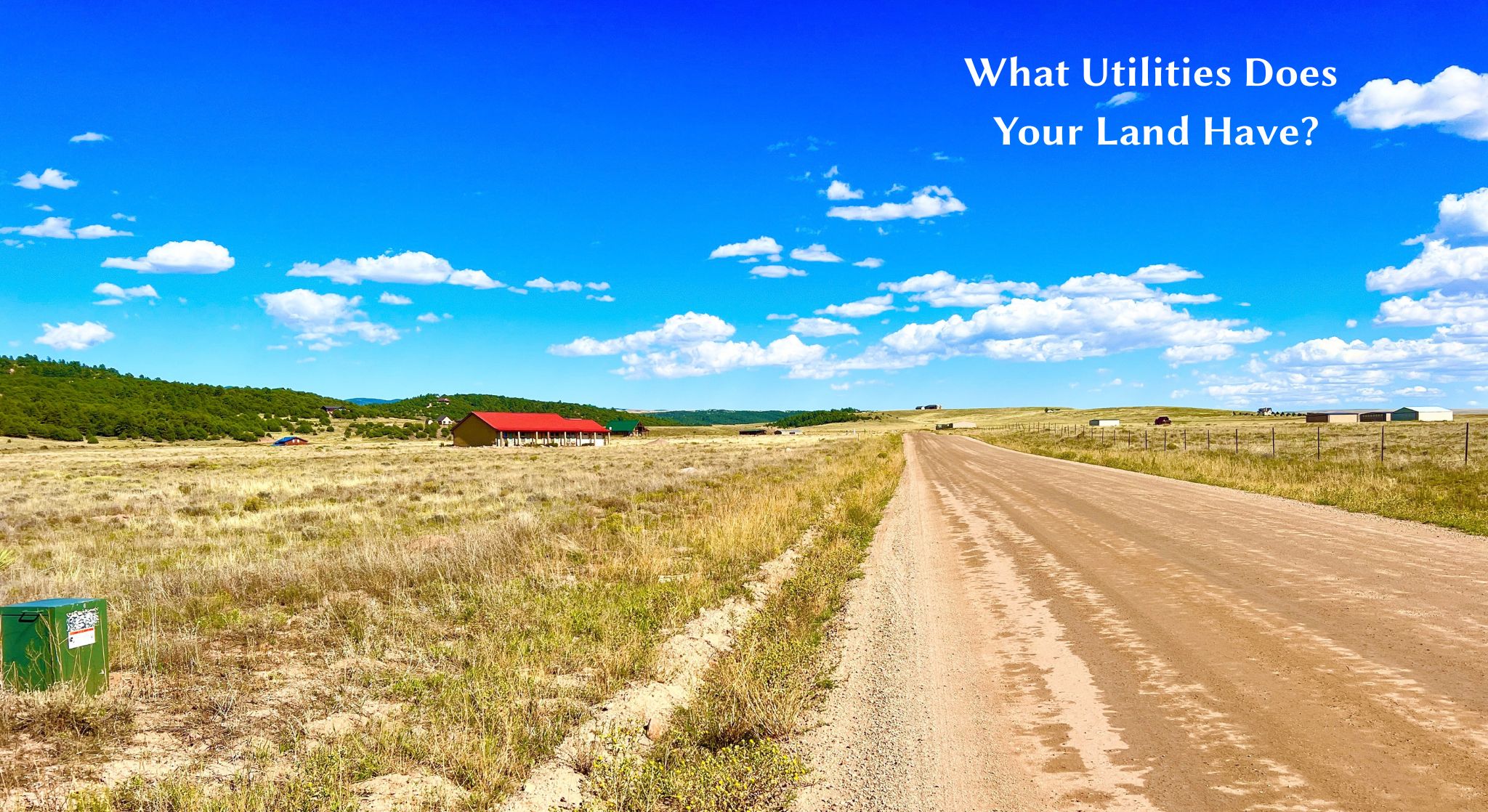
Step 4: Check What Utilities Are Available (and What Are Not)
Do not assume your land has utilities. Most vacant land does not.
In your first 30 days, find out:
- Water: Is there a well? Is there access to municipal water? What is the cost and process for getting a new well permit? Our guide on [how to check for water and well access on vacant land] walks through this in detail.
- Electricity: Is the property on the power grid? What would it cost to extend service? Many rural properties require expensive trenching.
- Septic: Has a perc test been done? Is there an existing septic system? If you plan to build, this is a prerequisite for a building permit in most counties. See our [guide to septic systems and perc tests].
- Road access: Is the access road private or county-maintained? Is there a recorded easement? Read our full breakdown in [how to verify road access on rural land].
Knowing your utility situation early helps you plan your use of the land and avoid expensive surprises later.
Step 5: Get Basic Land Insurance
Yes, you can and should get insurance on vacant land.
Many people do not realize this, but vacant land can carry liability. If someone trespasses and gets hurt, you could be on the hook. If a wildfire spreads from your property, there can be liability there too.
A vacant land liability policy is typically inexpensive, often $100 to $300 per year depending on acreage, location, and coverage limits.
Contact your current home or auto insurance carrier first. Many offer vacant land riders or separate policies. You can also work with a local independent insurance agent who knows your area's risk profile.
This is a simple step that many new landowners skip. Do not skip it.
Step 6: Understand Your Zoning and What You Can Build
You may already know the zoning from your due diligence before closing. If not, now is the time to nail it down.
Contact the County Planning and Zoning office and ask:
- What is the current zoning classification?
- What uses are permitted by right?
- Are there setback requirements, minimum lot sizes, or height restrictions?
- Is there a moratorium on new septic permits or building permits in this area?
Knowing what you can and cannot do with your land shapes everything else, including whether you can put a manufactured home on it, park an RV, build a cabin, or run a small agricultural operation.
Our [complete guide to understanding rural land zoning] covers the most common zoning categories in plain language.
Step 7: Post No Trespassing Signs
This one takes 20 minutes and costs almost nothing.
Posting "No Trespassing" signs on your property:
- Deters unauthorized entry
- Strengthens your legal position if trespassing occurs
- Can be required in some states to support criminal trespassing charges
Place signs at every entry point and at regular intervals along the boundary, especially near roads. In most states, placing signs every 200-300 feet along the perimeter is sufficient.
Pick up inexpensive metal signs at any hardware store or order them online.
Step 8: Create a Simple Property Folder
Start a paper or digital folder for your new land. Include:
- A copy of your recorded deed
- Your property tax account number and payment schedule
- The parcel number and county GIS map screenshot
- Any survey documents
- Utility contact information
- Your insurance policy
- Any HOA or POA documents, if applicable
- Easement documents
- Your closing disclosure
This folder will save you hours of searching when you need any of these documents later. It is also essential if you ever sell the property.
Step 9: Introduce Yourself to Neighboring Landowners
This is optional but genuinely valuable.
If your land has accessible neighbors, a friendly introduction goes a long way. Neighbors often know the area deeply: the best access routes, which local contractors are reliable, whether the county road gets graded regularly, what wildlife is in the area.
Good neighbor relationships also matter if any boundary questions ever come up. Starting off on the right foot makes those conversations much easier.
Step 10: Think About Your First-Year Goals
By the end of your first month, you should have a rough sense of what you want to do with this land over the next year.
Are you planning to:
- Build a home or cabin?
- Park an RV or tiny home seasonally?
- Use it for hunting or recreation?
- Hold it as an investment?
- Resell it or subdivide it?
Your goal shapes which steps to prioritize next. Building means engaging with the county on permits, water, and septic quickly. Holding as an investment means focusing on taxes, insurance, and basic security. Recreational use means road access and utilities may be optional.
Andrew and Felicia at Compass Land USA have helped buyers across Arizona, Colorado, Florida, and Nevada get the most out of their land purchases since 2017. If you have questions about what to do with your specific property, call or text Andrew anytime at (313) 349-0434.
New Landowner FAQ
What should I do immediately after buying vacant land?
Verify your deed is recorded with the county, update your mailing address for property tax bills, and get out to walk the property. These three steps are the foundation of responsible land ownership.
How do I verify my deed was recorded after closing?
Contact your county's Recorder of Deeds, Register of Deeds, or County Clerk office. Give them your name and parcel number. Many counties also have online deed search tools where you can confirm this yourself.
When are property taxes due after buying land?
It depends on the state and county. Most counties bill annually or semi-annually. Contact your County Treasurer or Tax Assessor to find out your specific due dates and get your name added to the mailing list.
Do I need insurance on vacant land?
Yes. Vacant land liability policies protect you if someone is injured on your property or if your land contributes to damage on neighboring properties. These policies are typically very affordable, often under $300 per year.
How do I find my property boundaries after purchase?
Use your county's online GIS parcel viewer to see the mapped boundaries. To physically locate them, look for survey corner markers (metal stakes or rebar) at the corners. If markers are missing, a licensed surveyor can re-establish them.
What if my deed is not recorded yet?
Follow up with your title company or closing attorney right away. Recording should happen within a few days to a few weeks of closing in most states. Unrecorded deeds leave a gap in the public record.
How do I check what I can build on my land?
Contact the County Planning and Zoning office with your parcel number. Ask for the zoning classification and a summary of permitted uses. You can also review the county's zoning code online for your specific zone.
Should I hire a surveyor right after buying vacant land?
Not necessarily. If you received a current survey at closing and the boundaries are clearly marked, you may not need one immediately. If corners are missing, boundaries are disputed, or you plan to build, a survey is a smart investment.
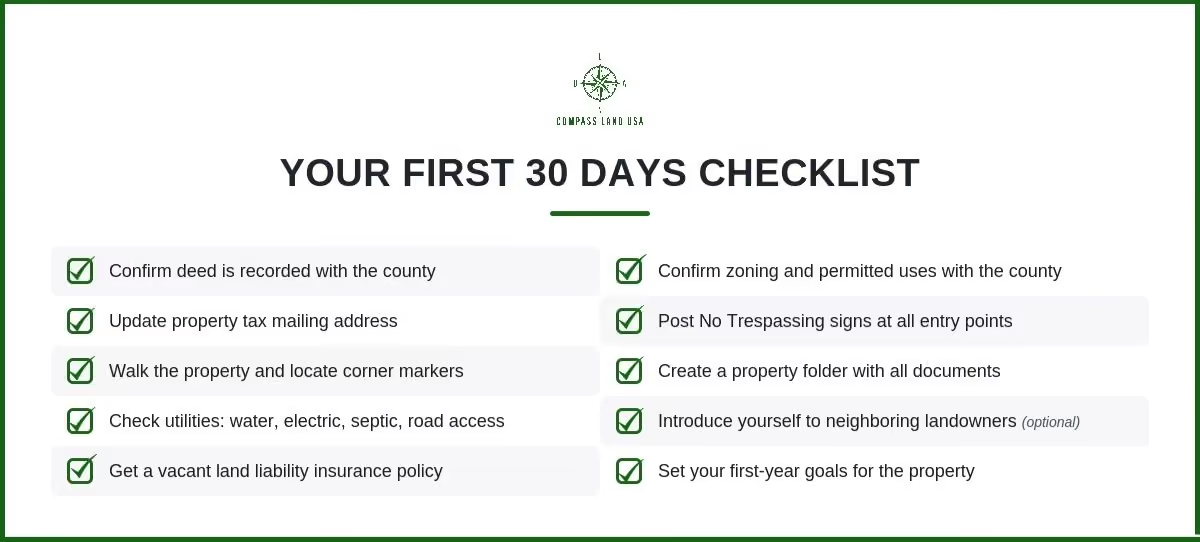
Quick-Reference: Your First 30 Days Checklist
- Confirm deed is recorded with the county
- Update property tax mailing address
- Walk the property and locate corner markers
- Check utilities: water, electric, septic, road access
- Get a vacant land liability insurance policy
- Confirm zoning and permitted uses with the county
- Post No Trespassing signs at all entry points
- Create a property folder with all documents
- Introduce yourself to neighboring landowners (optional)
- Set your first-year goals for the property
Ready to Talk Through Your Land Plans?
You took the first step. Now let us help you make the most of it.
Call or text Andrew anytime at (313) 349-0434. We have helped over 800 buyers across Arizona, Colorado, Florida, and Nevada since 2017, and we are happy to answer your questions about what to do with your new land.
You can also explore more of our buyer resources at compasslandusa.com.
The information in this article is for educational purposes and should not be interpreted as legal advice. For questions about title, easements, or boundary disputes, consult a licensed attorney or title professional in your state.
Andrew
Co-founder, Compass Land USA
Andrew co-founded Compass Land USA after buying and selling land for years without needing a single bank. He's been on both sides of hundreds of owner-financed deals across five states.
You've Read Enough. Time to Own Something.
Ready to Stop Renting Your Life and Start Owning Something?
Browse available land in Arizona, Colorado, Florida, Nevada, and North Carolina. Owner financing on every parcel. No bank. No credit check. Close in days.