
Protect Yourself
Protect Yourself
Find Out if Your Florida Property Is in Wetlands
Florida has more wetlands than almost any state, and they're protected by law even on private land. Here's how to check your property for free, and what to do if it's in one.

Find Out if Your Florida Property Is in Wetlands
Florida has more wetlands than almost any other state, and they're protected by federal and state law even when they sit on private land. You can get a free first look at whether your property is in a wetland using the U.S. Fish and Wildlife Service's wetlands map or the USDA's soil survey tool. For an answer you can use for a building permit, you'll need a licensed surveyor to do a formal wetland delineation.
In this article:
- What wetlands are, and why Florida has so many
- Signs your land might be in a wetland
- Two free tools to check your property today
- What wetland delineation is, and when you need it
- Can you build on wetland property in Florida
- How wetlands affect what your land is worth
- Wetlands vs. flood zones: they're not the same thing
- What to do next
What Are Wetlands, and Why Florida Has So Many
A wetland is land that stays wet, or nearly wet, most of the time. Florida sits just above sea level across most of the state, and that makes wetlands common here in a way they aren't in most other states.
Wetlands usually form where water meets land. Along the coast, you'll find tidal salt marshes and mangrove swamps. Further inland, Florida has freshwater marshes, forested swamps, and riparian wetlands that follow rivers and streams. The Everglades is the best-known example, and one of the largest wetland systems in the country.
A lot of Florida's waterfront and low-lying land includes some amount of wetland. That's not automatically a dealbreaker, but it's something you want to know before you buy, not after.
Signs Your Property Might Be in a Wetland
You can often spot a possible wetland before you ever pull up a map. Look for:
- Standing water on the surface of the soil
- Soil that stays soggy or saturated for long stretches
- Watermarks on tree trunks and rocks
- Sediment deposits after rain
- Water-loving plants, like mangroves, cypress, or cattails
If you see two or three of these signs on a property, treat it as a strong signal to check further before you buy or build.

Why Wetlands Matter, Even on Land You Own
Wetlands do real work. They filter water, absorb floodwater, slow erosion, and give shelter to fish, birds, and other wildlife.
Because of that, wetlands are protected by federal law under the Clean Water Act, and the U.S. Army Corps of Engineers enforces those rules, including on private property. Florida adds its own layer of oversight through the Florida Department of Environmental Protection and the state's regional water management districts.
Filling or clearing a wetland without the right permit is a real risk, not a technicality. Unauthorized fill work under the Clean Water Act can bring civil penalties that reach well into the tens of thousands of dollars, on top of the cost of restoring the land. If you're checking zoning on a property or property access before you buy, add a wetlands check to that same list.
How to Check If Your Florida Land Is in Wetlands, for Free
Two free tools will give you a strong first read. Neither one is a legal answer, but both are a good place to start.
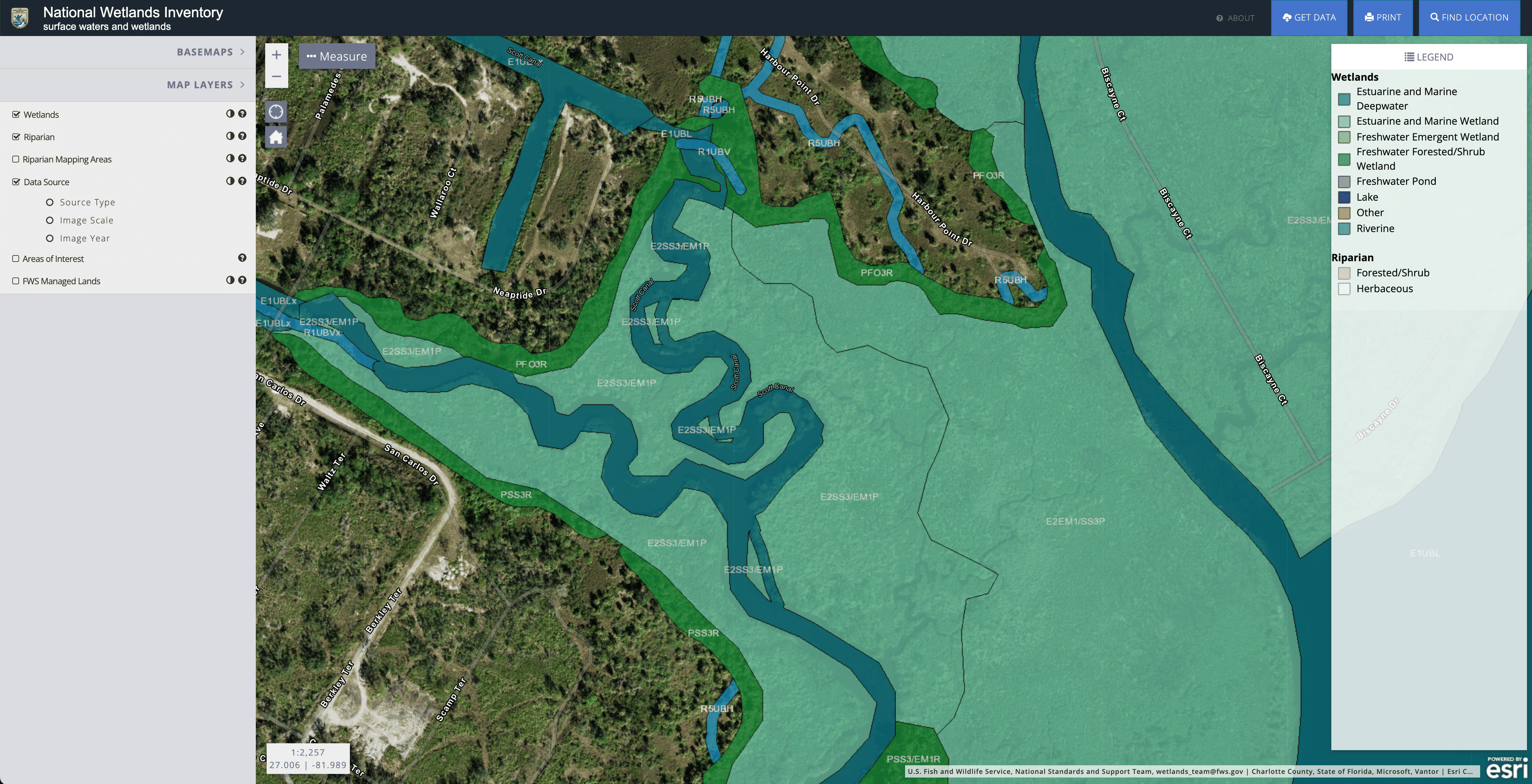
1. The National Wetlands Inventory map from the U.S. Fish and Wildlife Service. This tool lets you search by address and see wetland boundaries overlaid on a map of the property, along with wetland type and classification codes. If you don't have an exact address, use the street name, or borrow the address of a neighboring parcel that has one. Zoom out once the map loads so you can see the property in context with what's nearby, and open the legend so the colors and codes make sense.
2. The USDA's Web Soil Survey. This one looks at wetlands from the ground up, checking for hydric soils, the kind that form under constant or near-constant saturation. Search by address, then look at the soil map and soil data tabs. It's a useful second opinion alongside the wildlife service map, especially on land where the surface looks dry but the soil tells a different story.
Both tools are free and run by federal agencies, and both are a rough guide, not a certified answer. If you need certainty for a permit or a construction loan, you'll need the next step: a professional delineation.
What Wetland Delineation Is, and When You Need It
Wetland delineation is the process a licensed surveyor uses to walk a property and mark the exact boundary of any wetland area on it. It's the only way to get an answer that will hold up with a permitting office, a lender, or a title company.
You'll need delineation done before you can get a building or development permit on land that may include wetlands. In our experience buying and selling Florida land, delineation on a quarter-acre to half-acre lot often runs $500 to $1,500, and the price climbs from there as acreage goes up. The Army Corps of Engineers is the agency that ultimately reviews delineations and issues wetland permits, so expect to be in contact with them if you're moving forward with a build.
Can You Build on Wetland Property in Florida?
Yes, but it's rarely simple. Building on a wetland means fighting the water long-term, worrying about flooding in a way you wouldn't on dry, upland ground, and clearing permitting hurdles most buyers never have to deal with.
It can be done. If you decide to move forward, work with a builder who has real experience building on wetland or wet soil sites, not a general contractor doing it for the first time. Before you commit to that route, weigh the property, the permitting timeline, and how much ongoing work you're willing to take on against a lot with no wetlands at all.

How Wetlands Affect What Your Land Is Worth
A wetland designation usually shrinks the usable, buildable part of a parcel, even when the deed covers more total acreage. That can lower what the land is worth for building purposes, since permits, delineation, and site work all add cost before you break ground.
It's not only a downside. Some buyers want land with wetlands on purpose, for hunting, birdwatching, privacy, or simply keeping part of a property wild. If that's your goal, a wetland section might not hurt the value of the purchase to you at all. Either way, know what you're buying. Ask what portion of the property is upland and buildable versus wetland before you commit to a price.
Wetlands vs. Flood Zones: They're Not the Same Thing
Wetlands and flood zones get mixed up a lot, but they come from two different systems. A wetland designation is based on soil, water, and plant life, and it's regulated by the Army Corps of Engineers and Florida's environmental agencies. A flood zone designation comes from FEMA's flood maps, and it affects your insurance requirements and how high you may need to build.
A property can be in a flood zone without being a wetland. It can also be a wetland without sitting in FEMA's highest-risk flood zone. In low-lying parts of Florida, it's common for a parcel to be both, so it's worth checking each one separately.
If you want the full picture on flood zones specifically, we've written about it in more depth:
- Is Your Florida Land in a FEMA Flood Zone?
- FEMA Flood Zones Explained: AE, A, VE, X, and What Each Means When Buying Land
- A Chance for You to Easily Understand the Different Types of Flood Zones
- Decisive Action You Can Take if Your Land Is in a Flood Zone
Florida buyers checking wetlands should also check for sinkhole risk, another environmental factor common in the state. See How to Quickly Find Sinkholes in Florida for that step.
What to Do If Your Property Is in a Wetland
Start with the two free tools above to get a rough picture. If the property looks clear of wetlands and matches what you want, you can move forward with normal due diligence, the same questions you'd ask before buying any parcel.
If the tools show a wetland, or the property has the visible signs listed earlier, take these next steps:
- Hire a licensed surveyor for delineation if you're planning to build, clear, or develop any part of the property.
- Contact the Army Corps of Engineers district office and the Florida Department of Environmental Protection before you fill, clear, or build on any area that might be a wetland.
- Decide what you want from the land. A property with wetlands can still work well for recreation, hunting, or simply owning a piece of wild Florida, even if it's not right for a home site.
- Check the rest of the property, too. Utilities, zoning, and access all affect what you can do with the land, wetlands or not.
Buying land you haven't walked yourself feels risky the first time. Knowing exactly what you're getting, wetlands included, is what turns that into a confident purchase instead of a guess. If you want the full list of things to check before you buy Florida land specifically, our guide to buying land in Florida and what you need to know about buying land in Florida cover the rest of the checklist.
Want the Full Florida Land Buying Checklist?
Grab our free Florida Land Buying Checklist and get every item to check, wetlands included, before you put money down on Florida land.
FAQ
How do I know if my Florida property is in a wetland?
Start with the U.S. Fish and Wildlife Service's National Wetlands Inventory map and the USDA's Web Soil Survey. Both are free and let you search by address. For a legal answer you can use for permits, hire a licensed surveyor to perform a wetland delineation.
Can I build on wetland property in Florida?
Yes, but it requires permits from the Army Corps of Engineers and Florida's environmental agencies, plus a builder experienced with wet-soil construction. Building on wetlands also means an ongoing fight against water and flooding, so weigh that against a non-wetland lot before you commit.
What is wetland delineation, and how much does it cost?
Delineation is when a licensed surveyor walks the property and marks the exact wetland boundary. In our experience, a quarter-acre to half-acre lot in Florida often runs $500 to $1,500, with cost increasing on larger acreage.
Do I need a permit to clear or fill a wetland on my own land?
Yes. Wetlands are protected under the Clean Water Act even on privately owned land, and unauthorized filling or clearing can bring civil penalties that reach tens of thousands of dollars. Contact the Army Corps of Engineers before doing any site work on land that might be a wetland.
What's the difference between a wetland and a flood zone?
A wetland is based on soil, water, and plant life, and it's regulated by the Army Corps of Engineers and state environmental agencies. A flood zone comes from FEMA's flood maps and affects insurance and building height requirements. A property can be one, both, or neither.
Do wetlands lower my property's value?
Usually, for building purposes, since a wetland designation shrinks the buildable acreage and adds permitting cost. Some buyers want wetland acreage on purpose for hunting, wildlife, or privacy, so it depends on what you plan to use the land for.
Andrew
Co-founder, Compass Land USA
Andrew co-founded Compass Land USA after buying and selling land for years without needing a single bank. He's been on both sides of hundreds of owner-financed deals across five states.
You've Read Enough. Time to Own Something.
Ready to Stop Renting Your Life and Start Owning Something?
Browse available land in Arizona, Colorado, Florida, Nevada, and North Carolina. Owner financing on every parcel. No bank. No credit check. Close in days.