

Protect Yourself
Protect Yourself
Is Your Florida Land in a FEMA Flood Zone?
Learn how to find out if your Florida land is in a FEMA flood zone, what the zone classifications mean, and how flood zone status affects your financing and insurance options.
In this article, Felicia talks about how to find out if your Florida land is in a FEMA flood zone, how to understand the zone classifications, and whether you need flood insurance. Knowing your flood zone will help you understand a property's value and your financing options.
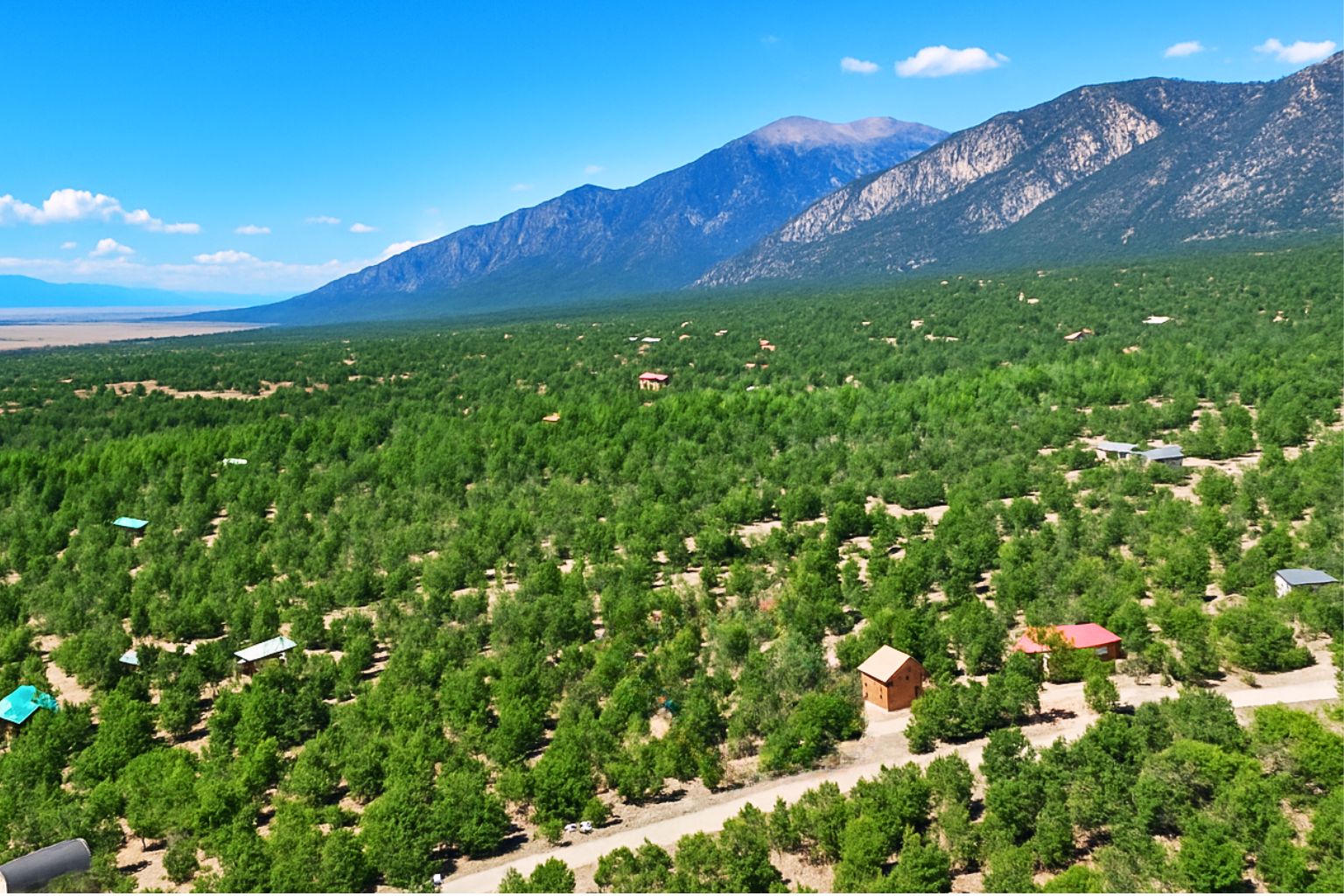
⬜ IMAGE: Aerial or satellite view of flat Florida land near water, showing low-lying terrain at or near sea level, perhaps with a waterway visible. Adobe Stock search: 'Florida rural land aerial water.' Or a screenshot from Google Maps of a Florida parcel near the coast.
Why Should You Check for FEMA Flood Zones in Florida?
Florida isn't located high above sea level, so flooding and flood zone occurrence is really common. Even so, you still need to check, because a flood zone is still a risk.
If you need traditional financing through a bank or credit union, you will likely also be required to pay for flood insurance. Flood insurance costs depend on the zone classification and in some cases can cost thousands of dollars a year. It's already difficult to get traditional financing for vacant land, so a property in a high-risk flood zone might just make the whole thing a no-go.
Because traditional financing is difficult to get, many land investors will owner finance the property for you, with no flood insurance requirement while you're paying it off, no credit checks, and flexible terms.
How Do You Check if Your Florida Property is in a Flood Zone?
Use the FEMA Flood Zone Finder, it's free and comes directly from FEMA. Search by address. If you don't have an exact address, use just the street name or find a neighboring parcel with a house on it and use that address.
Once the map loads, you'll see a zone classification and approximate elevation in feet. You can zoom out to see how big the zone is and what neighboring zones look like.
⬜ IMAGE: Screenshot of the FEMA Map Service Center (msc.fema.gov) with a Florida property address entered and a flood zone result visible on the map, ideally showing Zone AE or Zone X so buyers can see what a result looks like.
Understanding FEMA Flood Zone Classifications
The key piece of information is whether you're in a high-risk or low-risk area:
- High-risk zones (A, AE, AH, AO, V): 1% or greater annual chance of flooding. Flood insurance is typically required when financing a structure.
- Moderate- to low-risk zones (B, C, X): Lower probability of flooding. Flood insurance may not be required, but is still recommended.
If you're looking at Florida land as a long-term investment and don't plan to build for many years, you probably do not need to purchase flood insurance, it's just vacant land.
For a full breakdown of every flood zone type and what it means, see: A Chance for You to Easily Understand the Different Types of Flood Zones.
Flood Insurance Requirements and Coverage
Flood insurance is a separate policy that covers buildings and their contents. You can purchase it through your insurance agent or broker, the National Flood Insurance Program (NFIP), or private insurance companies. FEMA also provides a find a provider tool sorted by state.
Conclusion
Now you know how to find out if your Florida land is in a flood zone, what the FEMA classifications mean, and what your insurance options are depending on the classification.
⬜ CROSSLINK: Add links to 'Decisive Action You Can Take if Your Land is In a Flood Zone' (/actions-if-your-land-is-in-flood-zone/) and 'What to Look For When Buying Land in Florida' (/what-to-look-for-when-buying-land-in-fl/) once those pages are published.
Felicia Cristofaro
Co-founder, Compass Land USA
Andrew co-founded Compass Land USA after buying and selling land for years without needing a single bank. He's been on both sides of hundreds of owner-financed deals across five states.
You've Read Enough. Time to Own Something.
Ready to Stop Renting Your Life and Start Owning Something?
Browse available land in Arizona, Colorado, Florida, Nevada, and North Carolina. Owner financing on every parcel. No bank. No credit check. Close in days.