
Protect Yourself
Before You Buy
How to Check Zoning of a Property for FREE (Step-by-Step)
Zoning determines what you can and cannot do with a piece of land. Checking it before you buy is the single most important free due diligence step for vacant land buyers - and it takes less than 15 minutes.

How to Check Zoning of a Property for FREE
You found a pice of land you love. The price fits your budget, the location works, and you can already picture your future there. But before you sign anything, you need to answer one question first: what is this property zoned for?
Zoning determines what you can and cannot do with a piece of land. It controls whether you can build a house, park an RV, run a small business, or place a manufactured home on the property. According to the National Association of Realtors, zoning disputes and land use misunderstandings affect roughly 12% of vacant land transactions each year. Checking zoning before you buy is the single most important free due diligence step for vacant land buyers, and it takes less than 15 minutes.
This guide walks you through exactly how to check property zoning for free, what each zoning code means, and the red flags that should make you think twice about a deal.
Why Property Zoning Matters Before You Buy Land
Every county in the United States has its own zoning rules. A property zoned "Agricultural Residential" in one county might allow RV camping, while the same zoning classification in the next county over could prohibit it entirely.
"We've sold over 800 properties since 2017 across five states. The number one reason buyers run into problems after closing is zoning. They assumed they could build, camp, or place a mobile home on the land without checking first. Ten minutes of research would have saved them months of frustration."
– Andrew, Co-founder of Compass Land USA
Here is what zoning controls on your property:
What structures you can build. Single-family homes, manufactured homes, barns, sheds, and commercial buildings all require specific zoning permissions.
How you can use the land. Residential, agricultural, commercial, recreational, and industrial uses are each assigned to different zones.
Setback requirements. These are the minimum distances your structure must sit from property lines, roads, and neighboring buildings.
Lot size minimums. Some zones require a minimum acreage before you can build.
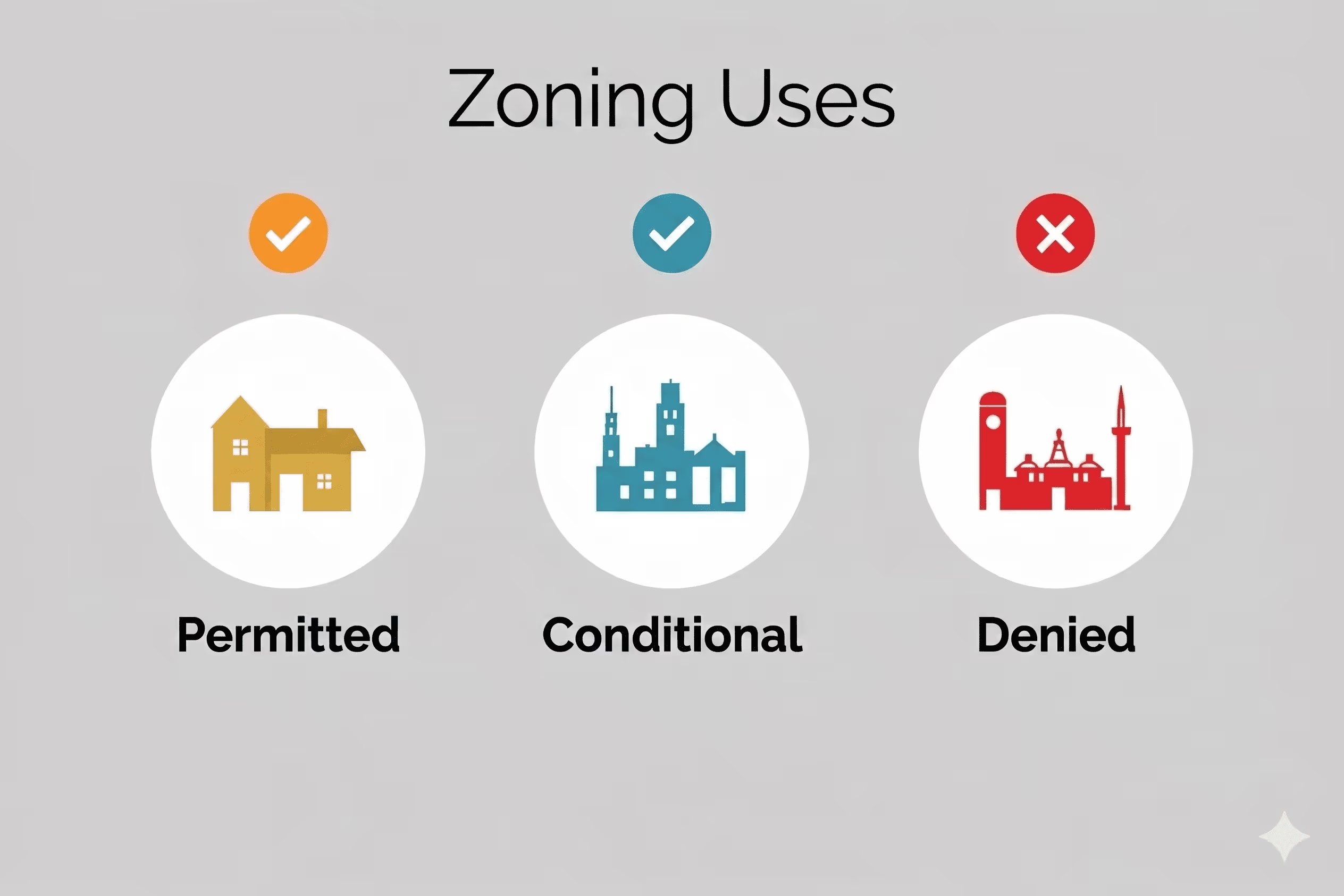
Conditional and denied uses. Many zoning codes have a mix of "allowed" uses, "conditional" uses that require a special permit, and "denied" uses that are flat-out prohibited.
If you skip this step, you could buy land you cannot legally use for your intended purpose. That is a mistake that costs real money and time. Our guide to [5 signs of a bad land deal in Arizona](https://www.compasslandusa.com/bad-land-deal-arizona/) covers this as one of the top warning signs.
What You Need Before You Start
You only need two pieces of information to check property zoning for free:
1. The county the property is in. This is the county the land is physically located.
2. The parcel number (APN). This is the unique identification number assigned to every piece of land by the county.
If you found the property on a listing site, Craigslist, or Facebook Marketplace, the parcel number is usually right in the listing. If it is not listed, ask the seller to provide it.
Red flag: If the seller does not have the parcel number or refuses to give it to you, that is a major warning sign. It increases the chance that the seller does not actually own the property or does not have the right to sell it. Always [verify who owns the property](https://www.compasslandusa.com/check-who-owns-property/) before going any further.
How to Check Property Zoning Online (Free Method)
How to Check Property Zoning Online (Free Method)
Most counties in the United States now have online tools where you can look up zoning information for any parcel. Here is the step-by-step process.
Step 1: Find the County Assessor or GIS Portal
Open Google and search for:
"[County Name] assessor parcel search" or "[County Name] GIS map"
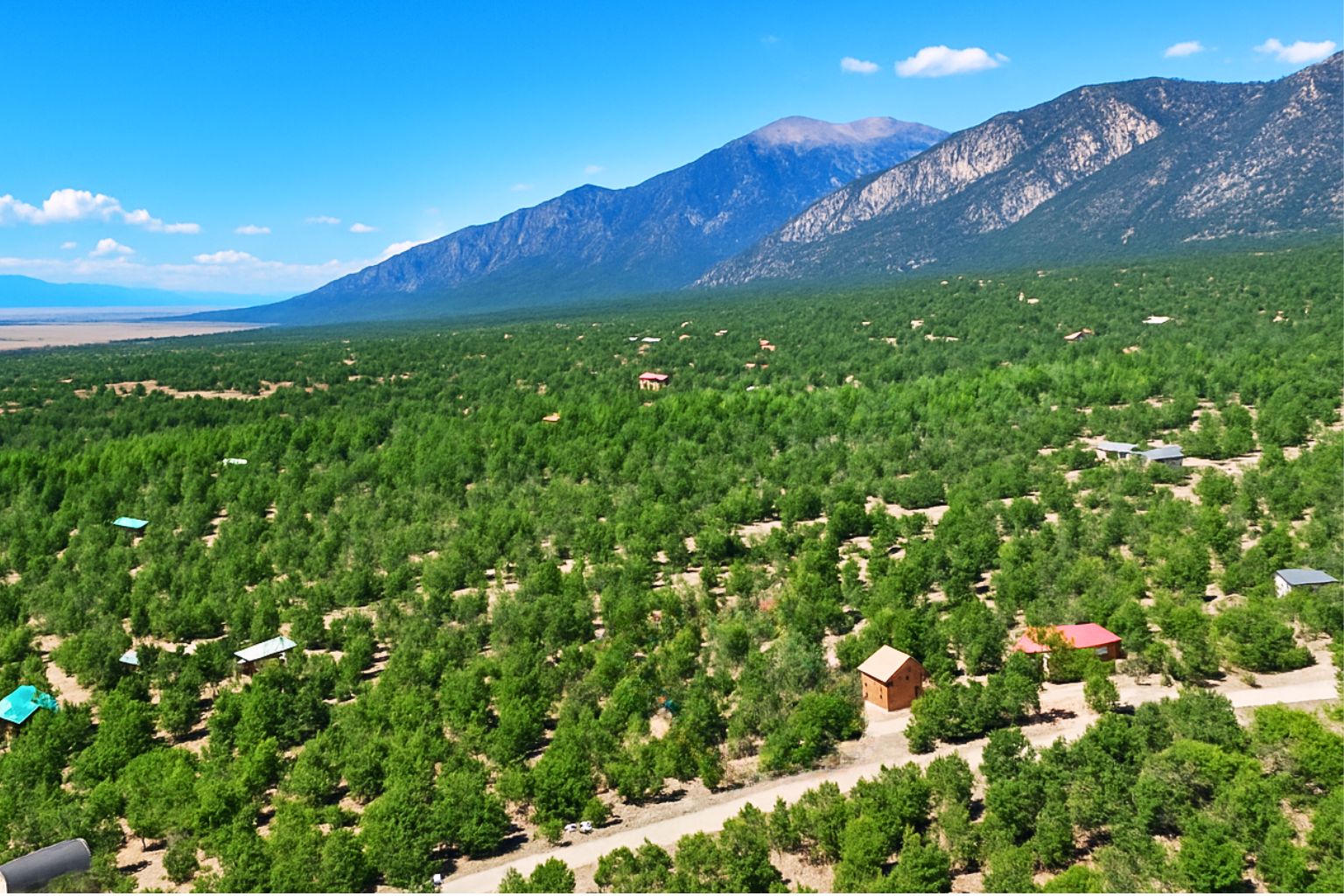
For example, if the property is in Costilla County, Colorado, you would search "Costilla County assessor parcel search." Every county page looks different, but you are looking for keywords like "online parcel search," "property lookup," or "GIS mapping."
According to a 2024 analysis by the National Association of Counties, roughly 85% of U.S. counties now offer some form of online property records access, though the depth of zoning information varies widely by state and county size.
Step 2: Search by Parcel Number
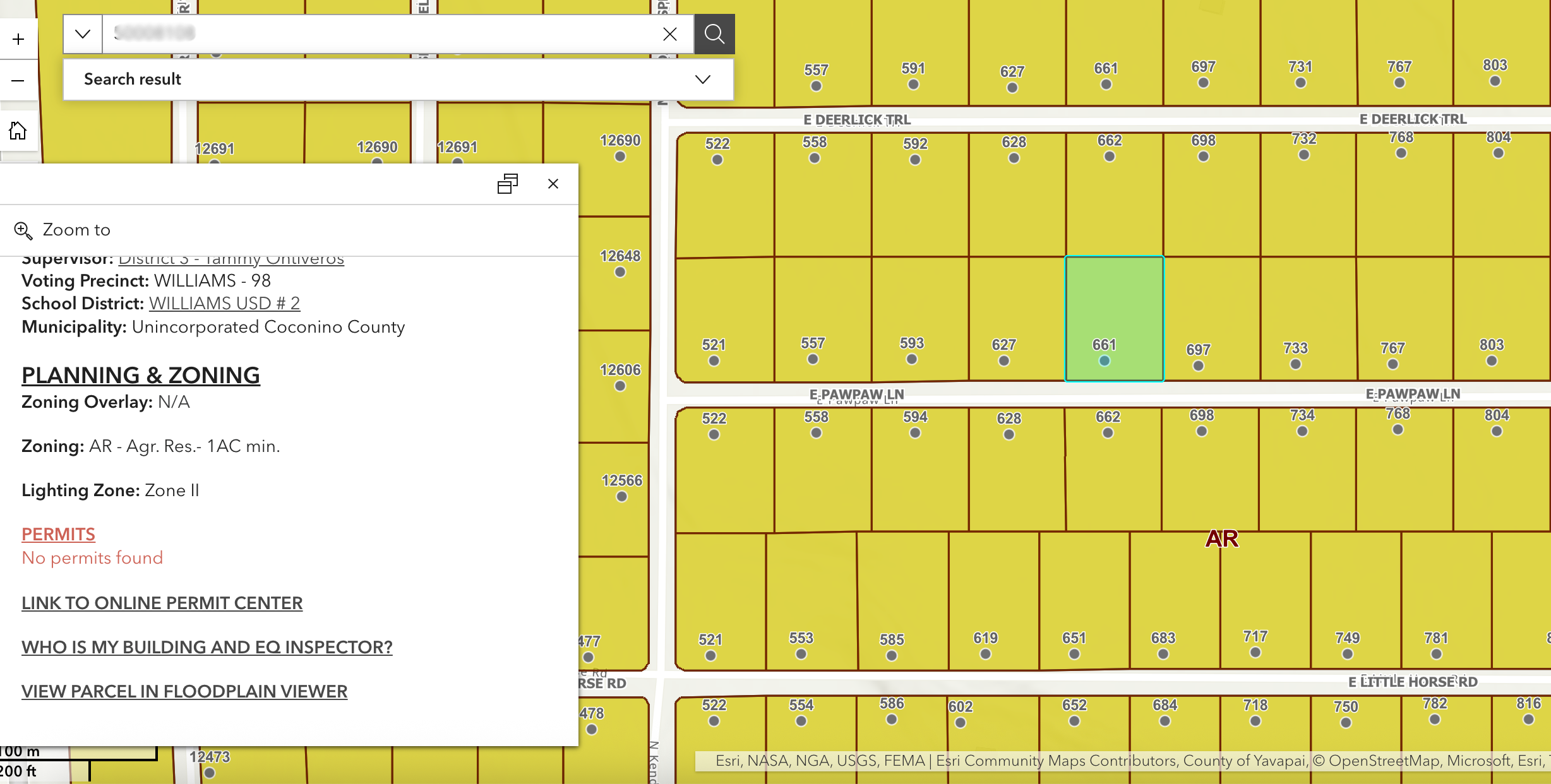
Once you find the county's online database, enter the parcel number (APN) in the search field and click "Search." The results will show property details including ownership, assessed value, tax history, and in many cases, zoning information.
Look for terms like "zoning," "land use," "land use code," or "zone designation." The zoning code will usually appear as a short abbreviation like "R-1" (residential), "AG" (agricultural), or "C-2" (commercial).
Step 3: Decode the Zoning Code
Once you have the zoning designation, you need to understand what it actually allows. Search Google for:
"[County Name] zoning code [your code]"
For example: "Costilla County zoning code Residential." This will usually bring up the county's zoning ordinance document or a summary page that lists every permitted use, conditional use, and prohibited use under that classification.
According to Felicia, co-founder of Compass Land USA, "Every county has its own naming convention for zoning codes. A code that means 'residential' in one county might use completely different letters in the county next door. Never assume you know what a zoning code means based on experience in a different county."
Pro Tip: Many counties publish their full zoning ordinance as a PDF on the county planning department's website. Download it and search for your specific code. It will list everything you can and cannot do.
Step 4: Check the GIS Map for Visual Context
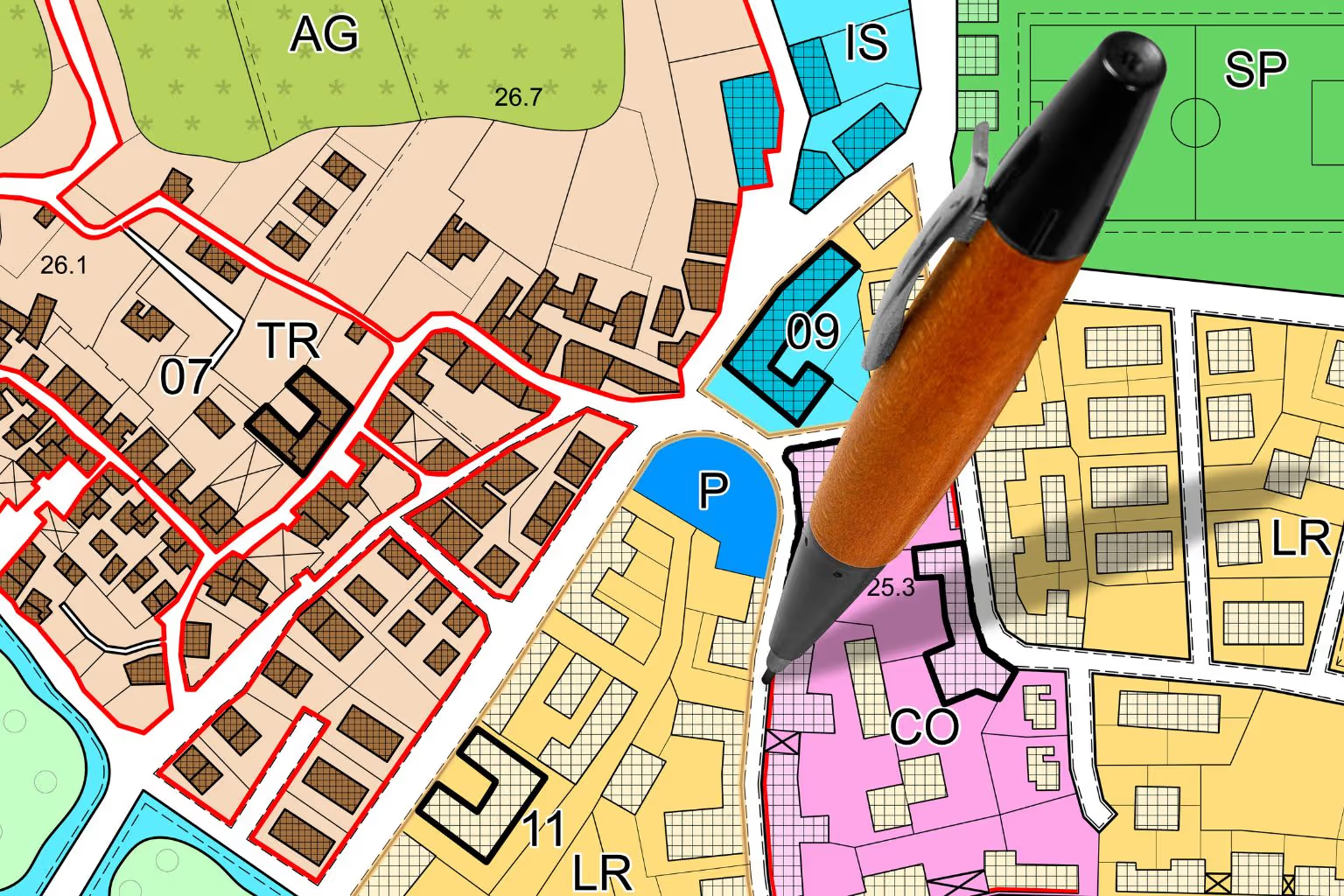
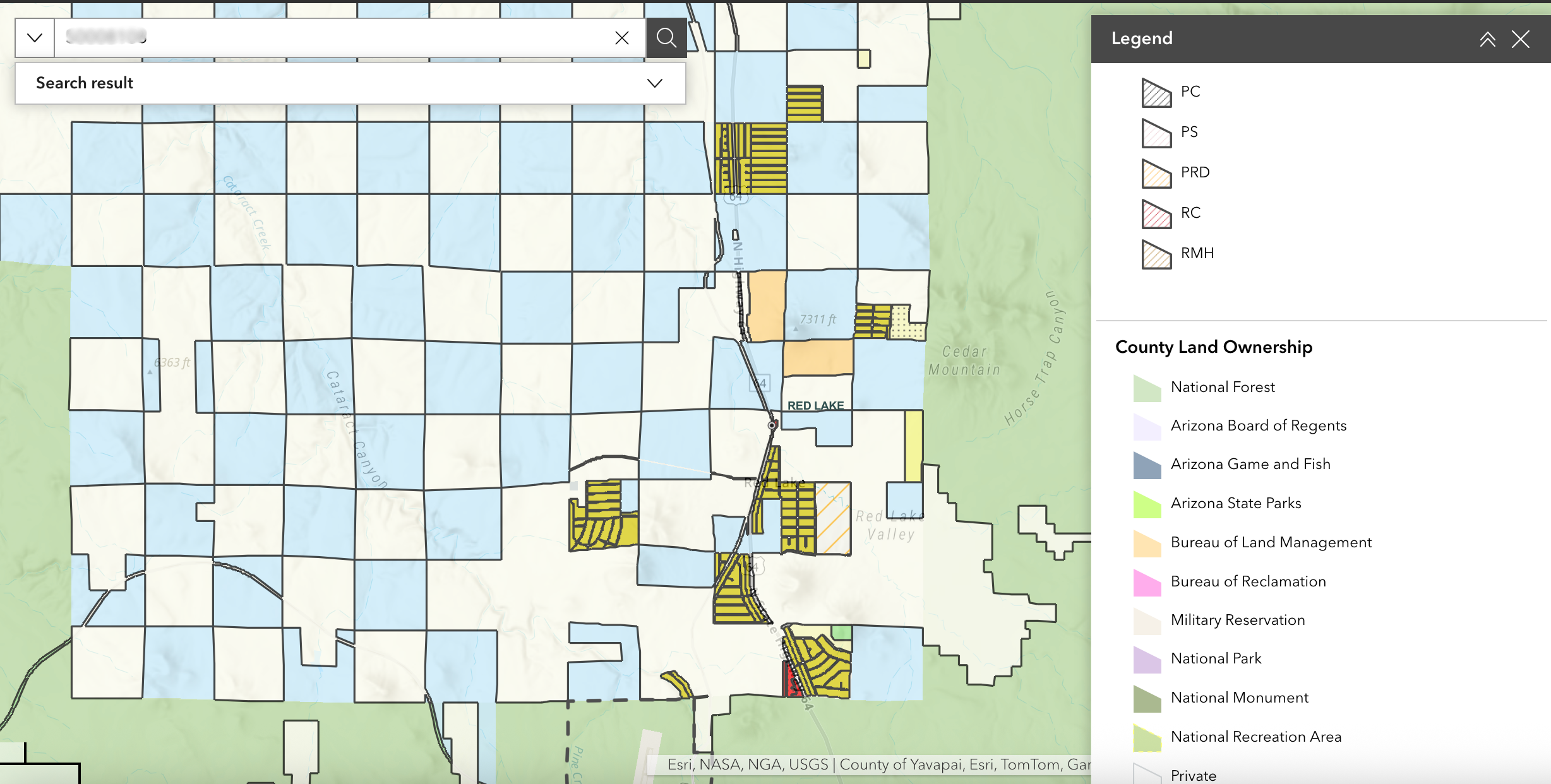
Many counties also offer a GIS (Geographic Information System) map where you can see zoning boundaries overlaid on the map. This is helpful because it shows you not just your parcel's zoning but what surrounds it.
If your property is zoned residential but it sits next to an industrial zone, that is worth knowing. If the entire area is agricultural, that gives you context for what development is realistic.
GIS maps are usually free to access. Search for **"[County Name] GIS map"** and look for a layer toggle for "zoning" or "land use."
How to Check Property Zoning by Phone (Free Method)
If the county does not have online zoning information, or if you want to double-check what you found online, call the county's "Planning and Zoning Department" directly.
Search Google for "[County Name] planning and zoning phone number" and call them. Have your parcel number ready.
When you call, ask these five questions:
1. "What is the zoning classification for parcel number [your APN]?"
2. "What uses are permitted under that zoning?"
3. "Are there any conditional uses that require a special permit?"
4. "Are manufactured homes or mobile homes allowed?"
5. "Is RV or tent camping permitted, and if so, for how long?"
This call is completely free. County employees answer these questions every day and are usually very helpful.
"At Compass Land USA, we call the planning and zoning office on every single property we buy. Even when the online records look clear, we verify by phone. We have caught discrepancies more than a few times where the online database was outdated or the zoning had recently changed."
– Felicia, Co-founder of Compass Land USA

Common Zoning Classifications Explained
Here are the most common zoning codes you will see across the United States. Each county may use slightly different names and abbreviations.
Here's the zoning classifications section reformatted for easy reading:
When you look up a property's zoning code, you'll see a short abbreviation like "AG" or "R-1." Here's what those actually mean in plain English:
🏡 R-1, R-2, RS, Residential. For neighborhoods and housing. You can build a single-family home and sometimes a duplex. Sheds and barns are often allowed as accessory structures. Not typically suited for farming or business use.
🌾 AG, A-1, AR, Agricultural / Agricultural Residential. The most flexible zone for rural land buyers. You can farm, ranch, build a home, and usually place a manufactured home. This is the most common zoning you'll see on vacant land listings.
🏪 C-1, C-2, CB, Commercial. Built for business. Think retail stores, offices, and restaurants. You generally cannot live on commercially zoned land, so this is a red flag if you're buying for personal use.
🏭 I-1, M-1, Industrial / Manufacturing. Heavy-duty use, factories, warehouses, and equipment storage. Residential use is almost never allowed. Avoid this zoning unless you have a specific industrial purpose.
🏘️ PUD, Planned Unit Development. A custom mixed-use zone tied to a specific development plan. Rules vary widely and are unique to each project. Always read the specific PUD documents before buying.
🌲 RR, RL, Rural Residential / Rural Land. Large lots with a mix of residential and agricultural uses. Often allows RV camping and manufactured homes. A solid option for off-grid living or recreational land use.
Quick tip: According to the American Planning Association, over 75% of all vacant land parcels in rural areas fall under either Agricultural or Rural Residential zoning, which tend to be the most permissive for individual landowners.
What If the Zoning Does Not Match Your Plans?
If you discover that the property is not zoned for your intended use, you have three options:
1. Apply for a variance or special use permit. Many counties allow property owners to request exceptions to zoning rules. This process involves an application, a fee (typically $200 to $1,000+), and a public hearing. There is no guarantee of approval.
2. Request a zoning change (rezoning). This is a longer and more expensive process that changes the actual zoning designation. It is uncommon for individual parcels but possible in some jurisdictions.
3. Walk away and find a different property. If your intended use does not match the zoning and you do not want to go through the variance process, it may be smarter to keep looking. Browse properties at [compasslandusa.com](https://www.compasslandusa.com) where we provide zoning details upfront.
Andrew, co-founder of Compass Land USA, puts it simply: "We sell a lot of property in Colorado that people want to RV and camp on, but not all counties there allow it. In some areas of Costilla County, you can camp on residential-zoned land for 14 days out of any 3-month period. In other counties, camping is prohibited entirely. You have to check with the specific county. There is no shortcut."
3 Red Flags to Watch for When Checking Zoning
Not every zoning issue is obvious. Here are the warning signs that experienced land buyers look for:
1. The zoning code is listed as "unzoned" or "undesignated." Some rural areas, particularly in western states like Arizona and Nevada, have land that falls outside any zoning jurisdiction. This can mean more freedom, but it also means less protection from what your neighbors do with their land.
2. A pending zoning change. Ask the planning department if there are any proposed zoning changes for your parcel or the surrounding area. A new commercial development next door could change everything about the property's appeal.
3. Conflicting information between the assessor and the planning department. If the online assessor database says one thing and the planning office says another, always go with what the planning department tells you. They are the authority on zoning.
For more warning signs specific to Arizona properties, check out our guide on [things to watch out for when buying Arizona land](https://www.compasslandusa.com/how-to-buy-arizona-land-7-things-to-watch-out-for/).
What Else Should You Check After Zoning?
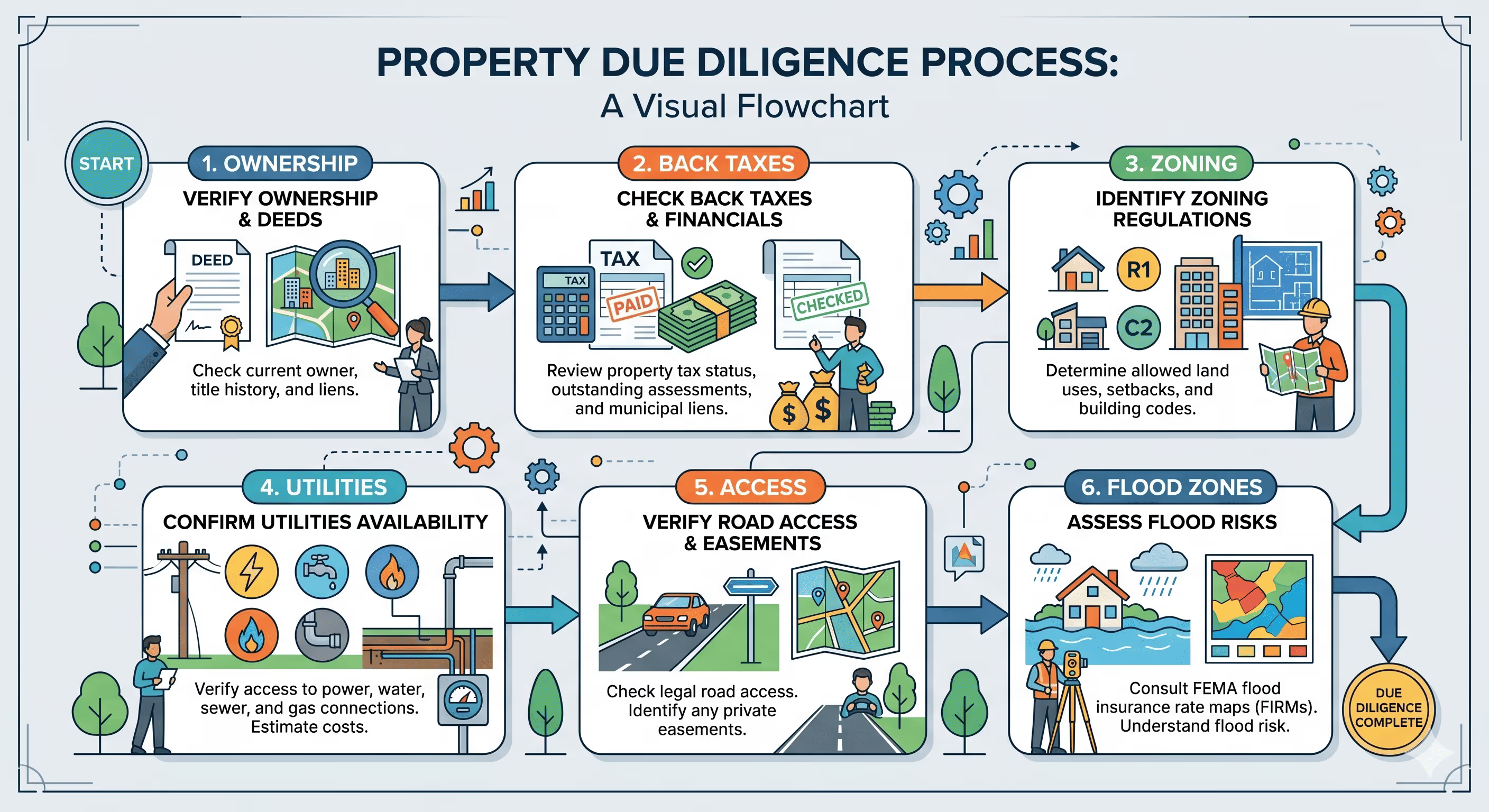
Checking zoning is one step in a complete due diligence process. After you confirm the zoning works for your plans, continue working through these checks:
Who owns the property. Verify that the seller has the legal right to sell. Our guide on [how to check property ownership for free](https://www.compasslandusa.com/check-who-owns-property/) walks you through this.
Back taxes and liens. Unpaid debts on the property could become your problem. Learn how to [check for back taxes and liens for free](https://www.compasslandusa.com/check-property-back-taxes-liens/).
Utilities and services. Rural land often does not have grid power or city water. Knowing [what utilities cost on vacant land](https://www.compasslandusa.com/check-utilities-on-land/) helps you budget accurately.
Property access. Can you legally reach the property by road? Some rural parcels have no legal road access, which makes them very difficult to use or resell.
Flood zones and environmental restrictions. If the property is in a [FEMA flood zone](https://www.compasslandusa.com/easily-understand-different-types-flood-zones/), it affects what you can build and may require flood insurance. In Florida, [scrub jay habitats](https://www.compasslandusa.com/florida-land-scrub-jay/) can delay building permits by a year or more.
Mineral rights. In some states, the mineral rights may have been separated from the surface rights. Read our guide on [how mineral rights work](https://www.compasslandusa.com/your-bottom-line-mineral-rights/) before you close.
Property deeds. Understanding the [different types of property deeds](https://www.compasslandusa.com/types-of-deeds/) helps you know what level of protection you are getting in the sale.
For state-specific guidance, read our articles on [buying land in Colorado](https://www.compasslandusa.com/how-to-buy-colorado-land-8-things-to-watch-out-for/), [buying land in Florida](https://www.compasslandusa.com/how-to-buy-florida-land-9-things-to-watch-out-for/), and [what to look for when buying land in Florida](https://www.compasslandusa.com/what-to-look-for-when-buying-land-in-fl/).
Frequently Asked Questions
How can I find out the zoning of a property for free?
You can check property zoning for free by visiting your county's assessor website or GIS map portal and searching by parcel number. If the information is not available online, call the county's Planning and Zoning Department and ask them directly. Both methods are completely free.
What do different zoning designations mean for land use?
Zoning designations control what you can build and how you can use the land. Common codes include R (residential), AG (agricultural), C (commercial), and I (industrial). Each county defines its own codes, so always look up the specific county's zoning ordinance to see the permitted, conditional, and denied uses for your code.
How do I access local zoning maps online?
Search Google for "[your county name] GIS map" or "[your county name] zoning map." Most counties offer free interactive maps where you can toggle zoning layers on and off. You can search by address or parcel number and see the zoning boundaries for any property.
Can I build a house on any piece of vacant land?
Not necessarily. Your ability to build depends on the zoning classification, minimum lot size requirements, setback rules, and whether utilities are available. Some zoning codes require a minimum acreage before you can obtain a building permit. Always verify with the county planning department before assuming you can build.
Do I need to check zoning if the seller says I can build?
Yes, always verify zoning yourself. Sellers may not fully understand zoning rules, or the rules may have changed since they purchased the property. According to Andrew at Compass Land USA, "We never take anyone's word on zoning. We verify every property ourselves, and you should too."
Can I put a mobile home or manufactured home on any land?
No. Many zoning codes restrict or prohibit mobile and manufactured homes. Even zones that allow them may have specific requirements like age restrictions, size minimums, or foundation requirements. Call the county planning department to confirm before you buy. Our article on [zoning regulations in Colorado](https://www.compasslandusa.com/understanding-zoning-regulations-in-co/) covers this topic in detail for Colorado properties.
What is the difference between zoning and an HOA?
Zoning is set by the county or local government and applies to all land within a specific zone. An HOA (Homeowners Association) is a private organization that adds additional rules on top of zoning. A property can be properly zoned for your use and still have HOA restrictions that prohibit it. Always check both.
How long does it take to check property zoning?
The entire process takes about 10 to 15 minutes. An online search through the county assessor's website takes 5 to 10 minutes. A phone call to the planning department takes about the same. It is one of the fastest and most valuable steps in your land buying research.
Check Zoning Before You Buy, Every Time
The fact that you are reading this puts you ahead of most land buyers. Checking zoning is free, fast, and could save you from buying land you cannot use the way you planned.
You do not need to figure this out alone. If you have questions about property zoning or want to browse properties where we have already done the due diligence for you, call or text Andrew anytime at (313) 349-0434. You can also browse our available properties at [compasslandusa.com](https://www.compasslandusa.com).
Andrew
Co-founder, Compass Land USA
Andrew co-founded Compass Land USA after buying and selling land for years without needing a single bank. He's been on both sides of hundreds of owner-financed deals across five states.
You've Read Enough. Time to Own Something.
Ready to Stop Renting Your Life and Start Owning Something?
Browse available land in Arizona, Colorado, Florida, Nevada, and North Carolina. Owner financing on every parcel. No bank. No credit check. Close in days.